Your Minimalism Is Sponsored: The Gear Obsession Nobody in the Van Life Community Wants to Talk About
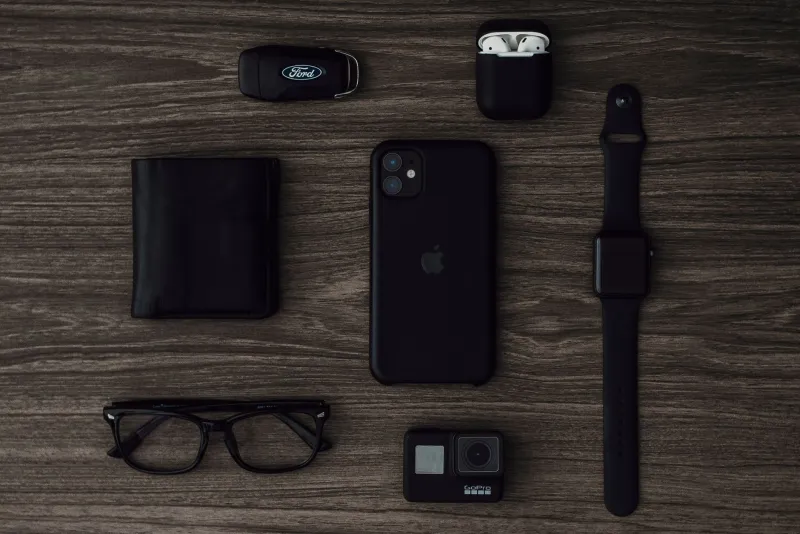
The nomadic dream promised freedom from stuff — fewer possessions, lighter living, a life unburdened by Amazon carts and storage units. But somewhere between the aesthetic flat lays and the affiliate link disclosures, the wandering life quietly became one of the most purchase-driven subcultures on the internet. Let's talk about what actually happened to minimalism when it went viral.
The Instagram Van Didn't Come Cheap
Here's a number for you: the average cost to convert a used cargo van into a livable, camera-ready mobile home sits somewhere between $15,000 and $40,000 when you factor in the build, the solar setup, the custom cabinetry, and the inevitable do-overs. That's before the Yeti cooler. Before the Rumpl blanket draped just-so across the bed. Before the ceramic pour-over kit that photographs better than a gas station coffee maker but weighs three times as much.
None of this is accidental. The aesthetic of nomadic life — the warm-toned sunsets through cracked van doors, the minimalist shelf with exactly four curated objects — is a product. It's been packaged, refined, and sold back to the very people who thought they were escaping consumerism. And the cruel irony is that the more you try to perform simplicity, the more you have to buy to pull it off convincingly.
The Gear Loop Nobody Admits They're In
Spend enough time in nomadic forums and Facebook groups and you'll notice a pattern. Someone asks what sleeping bag handles shoulder-season temps in the Pacific Northwest. Twenty-seven people respond with specific model numbers. Three of them have affiliate links in their bios. The conversation isn't really about staying warm — it's about acquisition as identity.
Gear obsession in the nomad community functions a lot like sneaker culture in streetwear: it's tribal signaling dressed up as practicality. The right pack, the right filtration system, the right packable down jacket signals that you're serious, that you've done your research, that you belong. And belonging, when you don't have a fixed address or a stable social circle, starts to feel like something you can buy your way into.
The problem isn't that good gear doesn't matter — it genuinely does when you're sleeping in 28-degree weather in Utah in October. The problem is the layer of anxiety underneath it, the quiet compulsion to upgrade, optimize, and document every piece of kit you own. That's not freedom. That's a different kind of treadmill.
What Monetization Did to the Movement
When nomadic content started generating real income — through YouTube ad revenue, brand partnerships, Patreon, and the now-ubiquitous affiliate link — everything shifted. Suddenly, the lifestyle had to justify itself financially. And the easiest way to justify a lifestyle financially is to turn it into a product pipeline.
This created a strange feedback loop. Nomads needed income to sustain the road. The road needed to look aspirational to generate income. Aspirational content required gear, settings, and production values that cost money. So the nomad bought more, shot more, sold more, and somewhere in that cycle, the original impulse — to live with less, to move freely, to shed the weight of accumulation — got quietly buried under a ring light and a Rode microphone.
This isn't a moral indictment. Most nomads who monetize their lives are just trying to survive. But it's worth naming what happened: the counterculture got absorbed. The people who left suburban consumerism behind rebuilt it, just with better lighting and a Sprinter van instead of a ranch house.
What Actual Detachment Looks Like (And Why It Doesn't Photograph Well)
The nomads who've genuinely shed their relationship with stuff are, almost by definition, the ones you've never heard of. They're not building audiences. They're not reviewing products. They're driving beater vehicles with cracked dashboards and sleeping bags from REI's clearance rack, and they're not posting about it because there's nothing to sell.
Real detachment from possessions is kind of boring to look at. It's a worn-out pair of boots that you've resoled twice. It's a phone with a shattered screen you haven't replaced because it still works. It's the absence of the urge to document, because the experience isn't enhanced by being witnessed.
That version of nomadic life will never trend. It doesn't have a hashtag. But it's the closest thing to what the original promise was: not owning less as an aesthetic, but genuinely caring less about things — including the things that make you look like someone who cares less about things.
Breaking the Loop Without Quitting the Road
None of this means you have to delete your account or swear off decent gear. It means developing some honest self-awareness about why you're buying what you're buying. A few questions worth sitting with:
Is this purchase solving a real problem or performing a solution? There's a difference between buying a water filter because you're heading into backcountry with questionable sources and buying one because it looks good on a shelf and signals that you're the kind of person who goes to backcountry.
Would you still want this if you couldn't post about it? Not a gotcha — a genuine diagnostic. Some things pass this test. A lot of things don't.
What are you trying to belong to? If the answer is a community, there are cheaper ways to find one. If the answer is a version of yourself, that version doesn't live in a product listing.
The road will strip you of a lot of illusions if you let it. The van life industrial complex will try to sell those illusions back to you in matte black and olive green. Knowing the difference is maybe the most nomadic thing you can do.