Nobody Told You Freedom Had a Price Tag This High
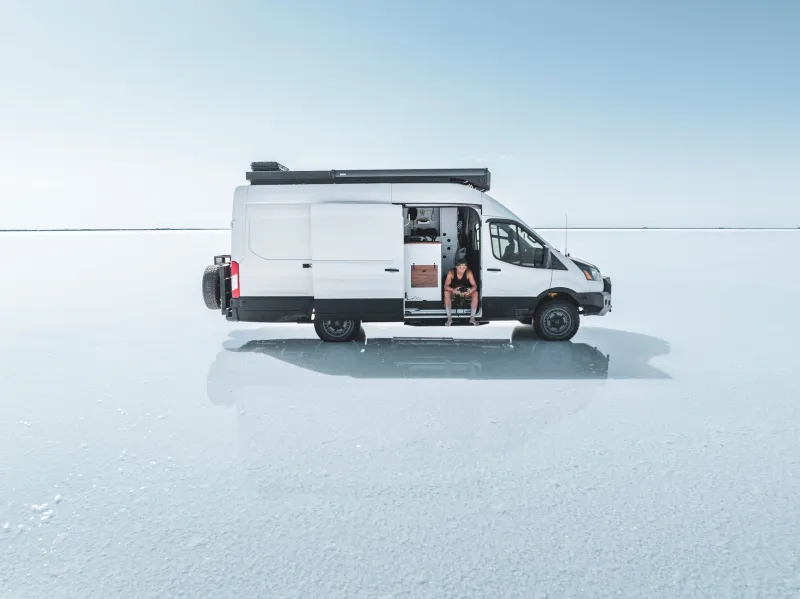
Let's be honest about something the van-life influencers aren't putting in their Reels. The version of nomadic living that gets shared — golden hour dashboards, misty mountain mornings, coffee brewed over a camp stove — is real. But it's real the way a highlight reel is real. It's curated. And what gets left on the cutting room floor is the financial reality that quietly grinds you down if you're not paying attention.
Freedom, it turns out, runs a tab. And the bill is longer than most people expect.
The Transient Tax Is Very, Very Real
Here's something nobody warns you about before you give up your lease: the world charges more for impermanence. Hotels, short-term rentals, RV parks, co-working day passes — everything priced for people passing through carries a premium over what a local resident pays. That Airbnb in Asheville that costs you $1,800 a month? A long-term renter in the same neighborhood might be paying $1,100. The nightly rate at an RV park that adds up to $900 for the month? A seasonal site contract would've run $450.
This isn't a conspiracy. It's just how transient markets work. Flexibility has a price, and it gets baked into every short-term accommodation, every prepaid SIM card, every one-day gear rental. When you're always moving, you're always paying the tourist rate — even when you've stopped feeling like a tourist.
Decision Fatigue Is Bleeding Your Wallet
There's a cognitive cost to perpetual movement that doesn't show up on any budget spreadsheet, but it absolutely shows up in your spending. When you're constantly making decisions — where to sleep, where to eat, which route to take, which campsite has reliable cell service — your mental bandwidth runs low. And when your mental bandwidth runs low, you make worse financial decisions.
You're more likely to overpay for convenience. You're more likely to impulse-buy the thing that solves today's problem without thinking about whether you actually need it. You're more likely to eat out instead of cooking because you're too tired to figure out where the nearest grocery store is. Decision fatigue is real, and for nomads making hundreds of micro-decisions a day, it's a slow, invisible leak in the budget.
The fix isn't to stop making decisions — it's to systematize the ones that cost you money. Meal planning rhythms, a go-to booking strategy, a vetted list of reliable campsite apps. Reduce the cognitive load where you can, and your spending will follow.
The Cheapest Option Usually Isn't
This one stings a little, especially if you came into nomadic life with a tight budget and big dreams. The cheapest campsite is sometimes an hour out of your way, which costs you gas, time, and wear on your vehicle. The cheapest gear fails at the worst moment and has to be replaced twice. The cheapest internet solution — a single carrier hotspot — drops out in rural Montana when you have a client call at 9 a.m., and suddenly you're paying $40 for a coffee shop day pass you didn't plan for.
Time and opportunity cost are real money. Every hour you spend troubleshooting a budget solution that didn't work is an hour you're not earning. Every detour to save $15 on a campsite is a math problem that only works if you don't count your own time. Nomads who've been at this for a few years almost universally say the same thing: they stopped chasing the cheapest option and started chasing the most reliable one. It changed everything.
Your Health Costs More When You Don't Have a Home Base
America's healthcare system is already a nightmare to navigate when you have a fixed address. When you don't? It gets genuinely hostile. Finding in-network providers while traveling across state lines is a part-time job. Urgent care visits — the kind you end up at when you can't wait to find a primary care doctor — run $150 to $300 a pop before any treatment. Dental work that you kept meaning to schedule gets deferred until it becomes an emergency, and emergencies cost five times more than maintenance.
Add in the physical toll of sleeping in non-ideal conditions, eating less consistently, and carrying the low-level stress that comes with constant transition, and your body pays a price that eventually becomes a financial one. Health insurance for nomads — whether that's a marketplace plan, a health-sharing ministry, or a travel-specific policy — is worth every dollar. But it's a dollar most budget travel content conveniently leaves out.
The Opportunity Costs Nobody Talks About
Here's the philosophical one. Every month you spend on the road is a month you're not building equity somewhere. Not building a local professional network. Not putting roots into a community that might pay dividends — socially, financially, creatively — over years. That's not an argument against nomadic life. It's just an honest accounting of what you're trading.
The freedom to leave is also the freedom to never fully arrive. Some people make peace with that trade immediately. Others carry a quiet grief about it for years before naming it. The nomads who seem most financially and emotionally grounded are the ones who've looked that trade in the eye and said yes anyway — not because they didn't see it, but because they saw it clearly and chose it deliberately.
How to Carry the Weight Without Being Crushed By It
None of this is a reason to book a flight home and sign a two-year lease. It's a reason to go in with open eyes.
Build a real budget that includes the transient premium, the health costs, the gear replacement cycle, and a cushion for the decisions you'll make when you're exhausted and just need something to work. Audit your cheap-option habits — not to spend more, but to spend smarter. Find the places and rhythms that reduce your decision load so your brain has capacity for the things that actually matter.
And give yourself permission to acknowledge that this life is expensive in ways that go beyond the financial. The emotional cost of constant goodbyes, the mental cost of perpetual novelty, the physical cost of sleeping somewhere new every few nights — these are real, and they're part of the price.
The road gives you things money genuinely can't buy. But it also charges for things you didn't know were for sale. Know what you're paying. Pay it consciously. And then go anyway — because for the right person, it's still worth every cent.