Coffee at 3 A.M.: What the Roadside Regulars Never Tell You
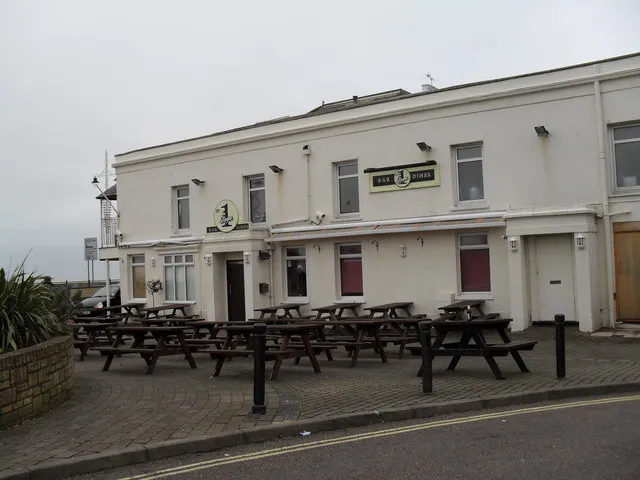
Photo: Basher Eyre , CC BY-SA 2.0, via Wikimedia Commons
There's a moment — usually somewhere past midnight, somewhere in the middle of Nebraska — when the diner is down to a certain kind of person. A long-hauler finishing a log book. A nurse coming off a shift. You, with your laptop and your half-drunk bottomless cup, nowhere in particular to be.
If you live on the road long enough, you learn that these hours belong to a secret country. It has no borders, but it has customs. And nobody hands you a passport — you earn it one booth at a time.
The Unwritten Rules of Transient Spaces
Nobody will tell you the etiquette outright. You absorb it, or you get the cold shoulder until you do.
Sit at the counter first. The counter is for strangers; booths are for people. Until you've been somewhere long enough to be a person, take the spinning stool. Order simply. Tip like you're coming back, even when you're not.
At the truck stop, stay out of the fuel islands. Wander the store, sure. Buy the shower, absolutely — they're cleaner than most hotels. But the drivers on a schedule don't have time to wait behind your dually while you decide on jerky.
The laundromat is a library, not a bar. People there are mid-task, mid-life. A nod, a comment about the dryer that eats quarters, maybe. The deep conversations happen when they happen — you can't schedule them.
The Two-Hour Friendship
Here's what the guidebooks miss: the relationships you form in these places are short, but they aren't shallow.
In Taos, a woman named Delores spent forty minutes telling me how she and her husband ran a motel until it burned, and how she still dreams in the color of those curtains. I never got her last name. She never asked for mine. But when I got up to leave, she said, "Drive slow, honey," in a way that felt like a blessing.
Psychologists call these "weak ties," but that word feels wrong. There's nothing weak about a conversation where you have nothing to lose. No phone numbers exchanged means no performance. You tell a trucker the truth about why you're out here faster than you'd tell your dentist.
A Field Guide to the 24-Hour Tribe
- The waitress who's seen forty years of this. She doesn't need your story. She can read your tires, your plates, and your mood. Ask her where she eats on her day off. That's the real local recommendation.
- The driver at the counter at 3 a.m. He'll talk if you don't waste his time. Ask about the weather over Donner Pass, not about "life on the road." He's a professional, not a mascot.
- The kid at the laundromat with everything they own in two baskets. That's you, six months ago. Buy them a coffee. The road takes care of its own.
Why This Matters More Than Any Landmark
We chase the national parks, the famous diners from the movies, the Instagram overlooks. But ask anyone who's been out here a while: the places blur together. The people are the map.
America isn't a list of attractions. It's a waitress in Gallup who remembers your order from three weeks ago. It's a trucker who flags you on the CB about a speed trap outside Amarillo. It's the guy folding towels next to you who says "you look like you needed that nap" and somehow makes it kind instead of judgmental.
You can't book these moments. You can't plan them. You can only put yourself in the chair, order the coffee, and stay open.
The booth is waiting. It always is. Somewhere between exits, somebody's about to tell you the truest story you'll hear all year — and all it costs is a refill and the willingness to say hello first.
Roam free. But talk to people while you do.