At Sixty-Eight, She Sold the House and Bought a Rig: The Quiet Revolution of Retirement Nomads
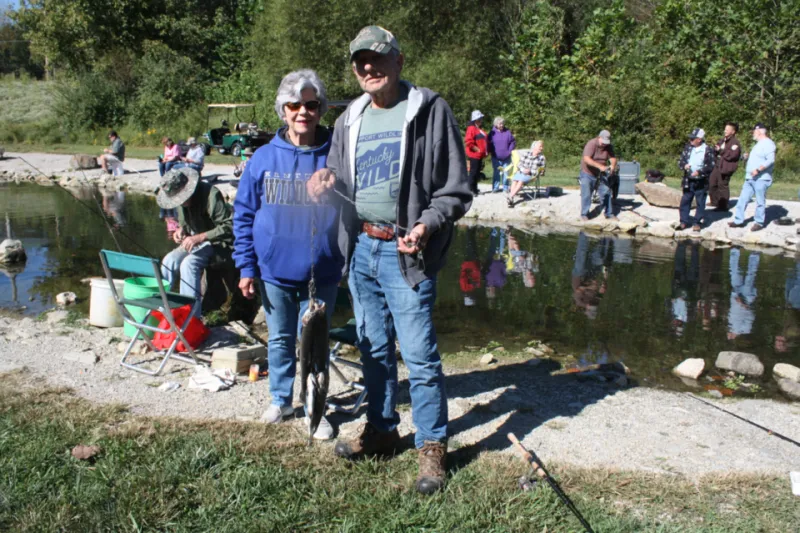
Photo: Marsha Hart/USFWS, Public domain, via Wikimedia Commons
Carol didn't tell her daughter she'd accepted an offer on the house until the inspection was already scheduled.
"I figured it was easier to ask forgiveness," she says, laughing, from the driver's seat of a 26-foot Class C she bought at sixty-eight, two years after her husband died. "She was upset. She wanted the house to stay in the family. But honey, the house was four bedrooms for one widow. The family fits in here just fine."
Carol is part of a quiet migration that the van life hashtags have largely missed: the retirement nomads. Retirees with pensions, Medicare cards, and a lifetime of road-trip experience are selling suburban homes, ditching the snowbird pattern, and going full-time on America's highways.
The Math That Sets You Free
For many older Americans, the decision is less about wanderlust than arithmetic. A paid-off house in Ohio or Pennsylvania represents hundreds of thousands in equity, a tax bill, a roof that needs replacing, and a driveway that needs shoveling. Liquidate it, buy a rig outright, and suddenly the fixed costs shrink to insurance, fuel, and campgrounds — plus a mailbox service in South Dakota or Florida for the legal address.
Add in the fact that a Social Security check spends the same in a campground outside Tucson as it does in a suburb outside Cleveland, except Tucson doesn't have property taxes, and the appeal gets obvious.
"I did the spreadsheet on my kitchen table," says Ray, seventy-three, who travels with his wife in a fifth wheel. "Staying cost more than going. Nobody tells you that. Everybody thinks it's irresponsible. It's the most responsible thing we've ever done."
The Pushback From the Rooted
The kids, though. The kids are not alright with it.
Talk to retirement nomads and the same tension surfaces: adult children who worry about breakdowns and hospital distances, who want a fixed guest room for the grandkids, who hear "full-time RV" and picture disaster. There's grief in it too — a parent who won't stay put can feel like a parent slipping away.
Nomads develop responses. They share their location apps with family. They schedule long stays near the grandkids. They remind everyone, gently, that a senior in a well-maintained rig with roadside assistance is often safer than a senior on an icy driveway in Minnesota.
The Loneliness Nobody Puts on the Brochure
But there's a version of isolation that hits this crowd differently than it hits the twenty-somethings. Young nomads are building their lives; older ones are living them after everyone they love has already been built somewhere else. Their people are rooted. They are not.
The communities that form around retirement nomads are the antidote. Escapees RV Club and its chapter gatherings. The 'singles' groups for widowed travelers. The informal networks where someone posts "heading to Bisbee, anyone around?" and gets dinner invitations within the hour.
"We call each other by our rig names," Carol says. "I'm 'Desert Rose.' There's a couple from Vermont I see every February in Quartzsite, and they know more about my life now than my book club did in thirty years."
The Big Loop
They have a name for the open-ended circuit many of them run — following good weather north in summer, south in winter, visiting kids and grandkids along the way. The big loop. Some run it until the money runs out. Some run it until the body does. Most don't like to talk about the endpoint.
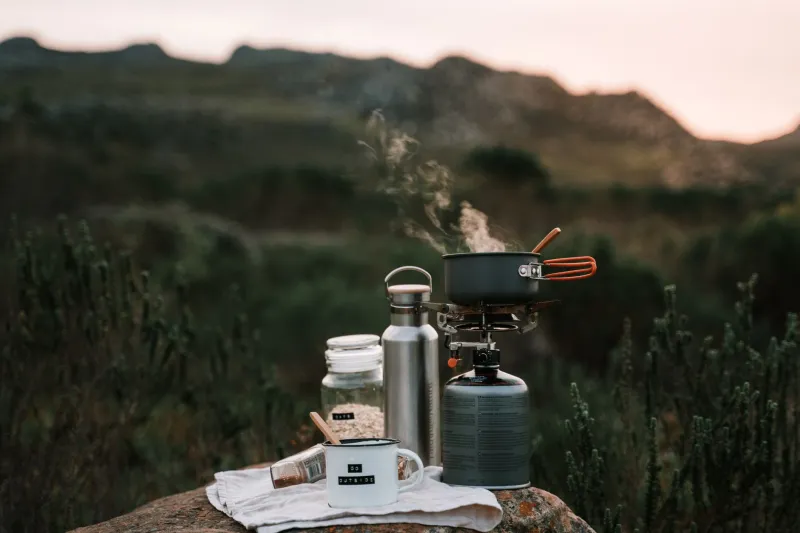
What they'll talk about is the morning. Coffee at the edge of a canyon. The luxury of being exactly nowhere on a Tuesday. The strange, hard-won discovery that home was never the house — it was the person inside it, and she finally took herself somewhere worth being.
"My mother never went anywhere," Carol says. "She waited her whole life for 'someday.' Someday never came for her. It came for me. I'm driving it."
Roam free, indeed.