Let the Earth Set Your Rhythm: How Nomads Use Nature's Calendar to Travel Deeper
I used to plan my moves like a chess player — always three steps ahead, optimizing for temperature and cost. Avoid the Gulf Coast in August. Hit the Pacific Northwest before the rains. Get out of the desert before it becomes a skillet. Logical. Efficient. And honestly? a little hollow.
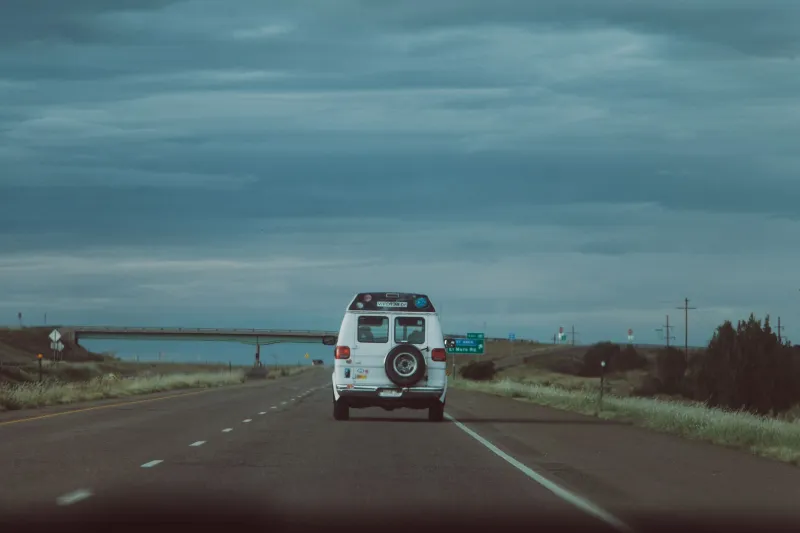
It wasn't until I got stuck — genuinely stuck — in the middle of New Mexico during monsoon season that something shifted. I'd planned to be somewhere else entirely. But the roads were flooded, my van wasn't going anywhere, and I had nothing to do but watch the sky crack open every afternoon at 3 p.m. like clockwork. For two weeks, I lived inside that rhythm. And when I finally drove out, I felt something I hadn't expected: rested. Not just physically. Something deeper.
That's when I started paying attention to what the land was actually doing — not just what it was doing to my travel plans.
The Difference Between Chasing Weather and Following Seasons
Chasing good weather is reactive. You're always running from something — humidity, cold, crowds — and toward some imagined version of perfect conditions. It's exhausting in a way that sneaks up on you. You're technically in beautiful places constantly, but you never quite land anywhere.
Following seasons is something else entirely. It means accepting that a place has a whole personality — including the moody, wet, dramatic parts — and choosing to meet it fully. It means trusting that what a landscape offers in its "off" moments might be exactly what you need.
Long-term nomads who've been at it for years often describe a turning point that sounds a lot like this. The Instagram-optimized version of travel — golden hour everywhere, perpetual summer — gives way to something more textured. More honest. And a lot more nourishing.
The Psychological Weight of Perpetual Movement
Here's something the nomad community doesn't talk about enough: constant movement has a cumulative psychological cost. Not because travel is bad for you — it's extraordinary — but because humans are wired for rhythm. We need contraction as much as expansion. Rest as much as motion.
When you're always in peak season, always in the best conditions, always optimizing — you lose the fallow periods. And fallow periods, in farming and in people, are when the real restoration happens.
Seasonal alignment isn't just poetic. There's actual science behind why we feel differently in winter versus summer, in dry heat versus coastal fog. Light exposure affects serotonin and melatonin cycles. Barometric pressure shifts influence mood and energy. The smell of rain on desert earth — petrichor — triggers neurological responses linked to calm and memory. You're not imagining it. The land is doing something to you.
The question is whether you're present enough to let it work.
Reading the Regional Calendars
Every region in the US has a natural calendar that goes way beyond the four seasons you learned in school. Here's how a few of them actually feel on the ground:
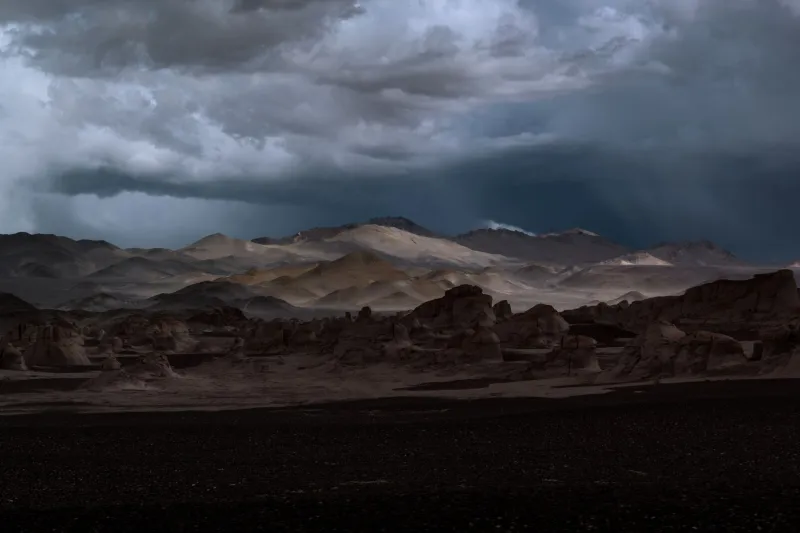
The American Southwest (Arizona, New Mexico, Utah) The monsoon season — July through September — transforms the desert from a sun-scorched endurance test into something almost mythological. Thunderheads build over the mesas every afternoon. The air smells electric. Flash floods carve new channels overnight. It's not "bad weather." It's the desert breathing. Nomads who stay through it often describe it as one of the most emotionally clarifying experiences of their travels.
Appalachia and the Blue Ridge (Virginia, North Carolina, Tennessee) Fall here is famous, but the real secret is mud season — late winter into early spring, when the mountains are bare and brown and brutally honest. The tourist infrastructure goes quiet. The locals come back to themselves. If you can sit with the starkness, it strips something away that you didn't know you were carrying.
The Gulf Coast (Louisiana, Mississippi, Alabama) Mardi Gras season isn't just a party — it's a cultural exhale before Lent, a ritualized release that the whole region participates in at a cellular level. Arriving in late January and staying through February means entering a place that's collectively loosening up, and it's contagious in the best way.
The Pacific Northwest (Oregon, Washington) The long gray winters here have a reputation, and it's earned. But what doesn't get talked about is the particular quality of introspection they produce. The rain doesn't just fall — it settles. Writers, artists, and thinkers flock here in the off-season for a reason. If you have creative work that needs incubation, the PNW in January is a pressure cooker in the best sense.
The Great Plains (Kansas, Nebraska, the Dakotas) Spring storm season — tornado season, technically — is terrifying and also one of the most awe-inducing natural spectacles on the continent. There's something about standing in the presence of that much raw atmospheric power that recalibrates your sense of scale. You feel very small, and somehow that's a relief.
Aligning Your Internal Seasons with External Ones
This is where it gets personal. The most intentional nomads I've met don't just ask "where do I want to go?" They ask "where do I need to be, and what does that place do in this season?"
Are you in a period of expansion — new projects, new relationships, high creative output? Seek places that are also opening up: spring in the Rockies, summer on the Maine coast, festival season in the Southwest.
Are you in a period of contraction — grieving, healing, integrating a big life change? Find places that are doing the same. The desert in late fall. The Appalachian highlands in February. The Oregon coast in winter. Let the landscape hold your quietness.
This isn't mysticism — it's attunement. It's the same instinct that makes you want soup when it's cold and salad when it's hot. You're already doing it. You just might not be doing it consciously.
A Few Practices That Help
Keep a seasonal journal. Not a travel log — an internal log. Note your energy, your mood, your creative output, your appetite for solitude versus connection. Over time, patterns emerge. You'll start to see which landscapes and which seasons bring out specific versions of yourself.
Stay longer than feels comfortable. The first week in any place is surface-level. The second week, you start to see the patterns. By the third or fourth week, you're actually in the place — not just passing through it. Seasonal alignment requires enough time to actually feel the season.
Talk to people who've lived there forever. Old-timers, farmers, indigenous community members, long-haul locals — they carry an embodied knowledge of a place's rhythms that no weather app can replicate. Ask them what the land does in each season. Ask them what it asks of the people who live on it.
The Deeper Promise of Nomadic Life
The road offers a lot of things — freedom, novelty, perspective, community. But its deepest gift might be this: the chance to experience the full range of the world's rhythms in a single lifetime. Not just the highlight reel. The whole thing.
When you stop chasing perfect conditions and start following the seasons with intention, something in you settles — even while you're moving. You stop being a tourist in your own life and start being a participant in something much larger.
The earth has a calendar. You don't have to follow it. But when you do, the road starts to feel less like escape and more like homecoming — over and over again, in a hundred different places.