Chase the Season, Chase the Money: How Smart Nomads Are Timing Their Moves to America's Hidden Work Cycles

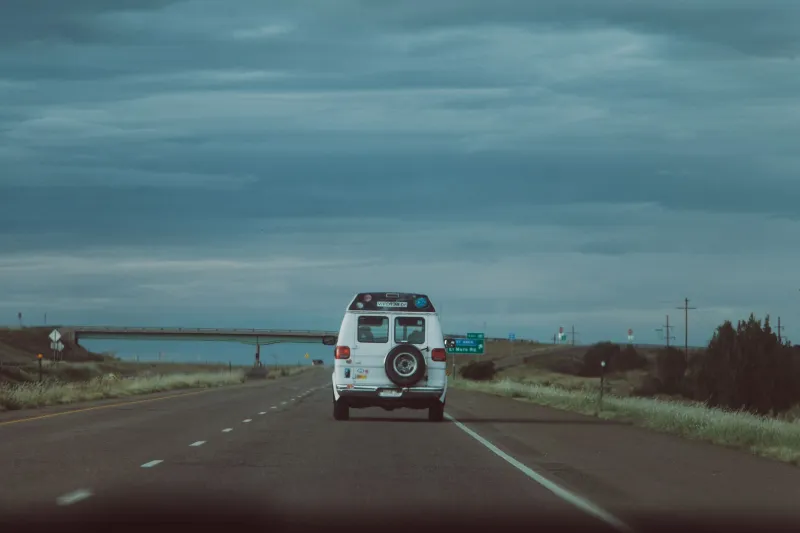
Photo by Photo by Fabio Sasso on Unsplash on Unsplash
The Map Nobody Hands You
Most people who hit the road for the first time plan their route around beauty. National parks in the fall, warm beaches in January, music festivals in the summer. And look, there's nothing wrong with that. But there's another kind of map out there — one that overlays income opportunity onto geography and time — and the nomads who've found it are playing a completely different game.
Call it seasonal migration 2.0. It's the deliberate practice of timing your movements around America's cyclical labor markets rather than its tourist calendar. And in a gig economy that rewards mobility, flexibility, and showing up exactly where demand is spiking, it's one of the most underrated strategies in the wanderer's playbook.
The Old Model vs. The New One
Seasonal work has always existed. Harvest hands following crops through California's Central Valley. Ski bums chasing snow from Tahoe to Telluride. Fishing industry workers rotating through Alaska's seasons. This isn't new.
What's new is the layer of digital and creator economy opportunity sitting on top of those traditional cycles — and the fact that modern nomads can stack multiple income streams in a single location, then move on when the season shifts. You don't have to be a farmhand to benefit from a harvest economy. You might be the photographer documenting it, the social media manager for the local farm-to-table restaurant that blows up every October, or the freelance journalist filing stories from the middle of it.
The new seasonal migrant isn't just chasing a paycheck. They're chasing a convergence of opportunity.
Reading America's Hidden Labor Rhythms
So what does this actually look like on the ground? Here are some of the cycles that intentional nomads are quietly building their routes around:
The Harvest Circuit From late summer through fall, agricultural regions across the country see massive labor demand spikes. Washington State's apple orchards. Oregon's wine country. The berry farms of Michigan. Colorado's peach harvest. These aren't just agricultural jobs anymore — they're content goldmines, agritourism hubs, and regional economies that need everything from hospitality workers to marketing help to event coordination for the farm stands and harvest festivals that draw weekend crowds from the cities.
Ski Season Economies Every November through April, mountain towns from Vermont to Utah transform. Vail, Park City, Breckenridge, Jackson Hole — these places need bodies, and they need them fast. But beyond the lift operators and ski instructors, there's a whole ecosystem: property management, short-term rental coordination, wellness services, and local media that explodes during peak season. And here's the kicker — housing in these towns in late October, right before the rush, is often dramatically cheaper than it will be six weeks later.
Festival and Event Economies America runs on events. Coachella Valley in April. The Sturgis rally in August. SXSW in Austin every March. Burning Man in the Nevada desert in late summer. Each of these creates a temporary economy that needs vendors, photographers, social media support, security, logistics help, and more. Some nomads make a significant chunk of their annual income by working five or six of these events strategically spread across the year.
Tourism Shoulder Seasons Here's one that gets overlooked: the shoulder season. That two-to-four-week window just before peak tourist season when a destination needs to hire and train staff, set up infrastructure, and create content — but hasn't yet filled up with visitors driving prices through the roof. Savvy nomads target these windows specifically. Lower cost of living, available gig work, and a town that's not yet overwhelmed.
The Digital Creator Overlay
What makes 2024's seasonal migrant fundamentally different from their predecessors is the ability to document and monetize the journey itself. A nomad working apple harvest in Wenatchee, Washington isn't just earning a wage for picking fruit. They're potentially building a content library about Pacific Northwest agricultural culture, growing a following of people who are fascinated by that world, and laying the groundwork for brand partnerships with outdoor gear companies, farm-to-table food brands, or travel gear makers who want authentic, place-rooted content.
The income stacking here is real. Wages plus content revenue plus affiliate income plus the occasional brand deal — all generated from a single seasonal stop that might last six to ten weeks before you move on.
None of this happens accidentally. The nomads doing it well treat it like a business. They research their next stop before they leave the current one. They build relationships in each community they pass through, because those relationships generate leads for the next visit or the next referral. They track their income by location and season so they can optimize their route year over year.
The Logistics of Building a Seasonal Route
So how do you actually build one of these routes? A few frameworks that the community has developed:
Start with a 12-month income map. Before you plan any movement, lay out the year and identify three to five seasonal income opportunities you could realistically pursue. Research the timing, the housing situation in each location, and the types of work available. Build the route around those anchors, not the other way around.
Use platforms built for this. CoolWorks.com is one of the best resources for seasonal gig listings specifically in outdoor and adventure-adjacent industries. WorkamperNews is essential if you're living in an RV and want to tie work to campground hosting. Harvest Host and similar networks can connect you to agricultural opportunities with built-in accommodation.
Build in buffer weeks. The biggest mistake new seasonal migrants make is scheduling too tight. When you move from a ski season in Colorado to a spring festival run in Texas, give yourself a week of unscheduled time. Use it to rest, to prospect for the next opportunity, or to simply breathe. Burnout is the thing that ends more nomadic careers than bad WiFi ever will.
Network inside the seasons, not just before them. Some of the best opportunities in seasonal economies are never posted publicly. They're filled by word of mouth inside the community. Show up, do good work, and tell people what you're looking for. The nomad network is more generous than you might expect.
Freedom With a Strategy
There's a version of nomadic life that's purely reactive — you go where the wind takes you, you figure it out when you get there, you embrace the chaos. And that version is real and valid and some people thrive in it.
But there's another version, one that's maybe less romantic on the surface but actually creates more freedom in practice: the version where you understand the economic rhythms of the country you're moving through, and you position yourself to benefit from them.
America is full of seasonal economies that need skilled, flexible, motivated people right now. The wanderers who've figured out how to read that map aren't compromising their freedom. They're funding it.